

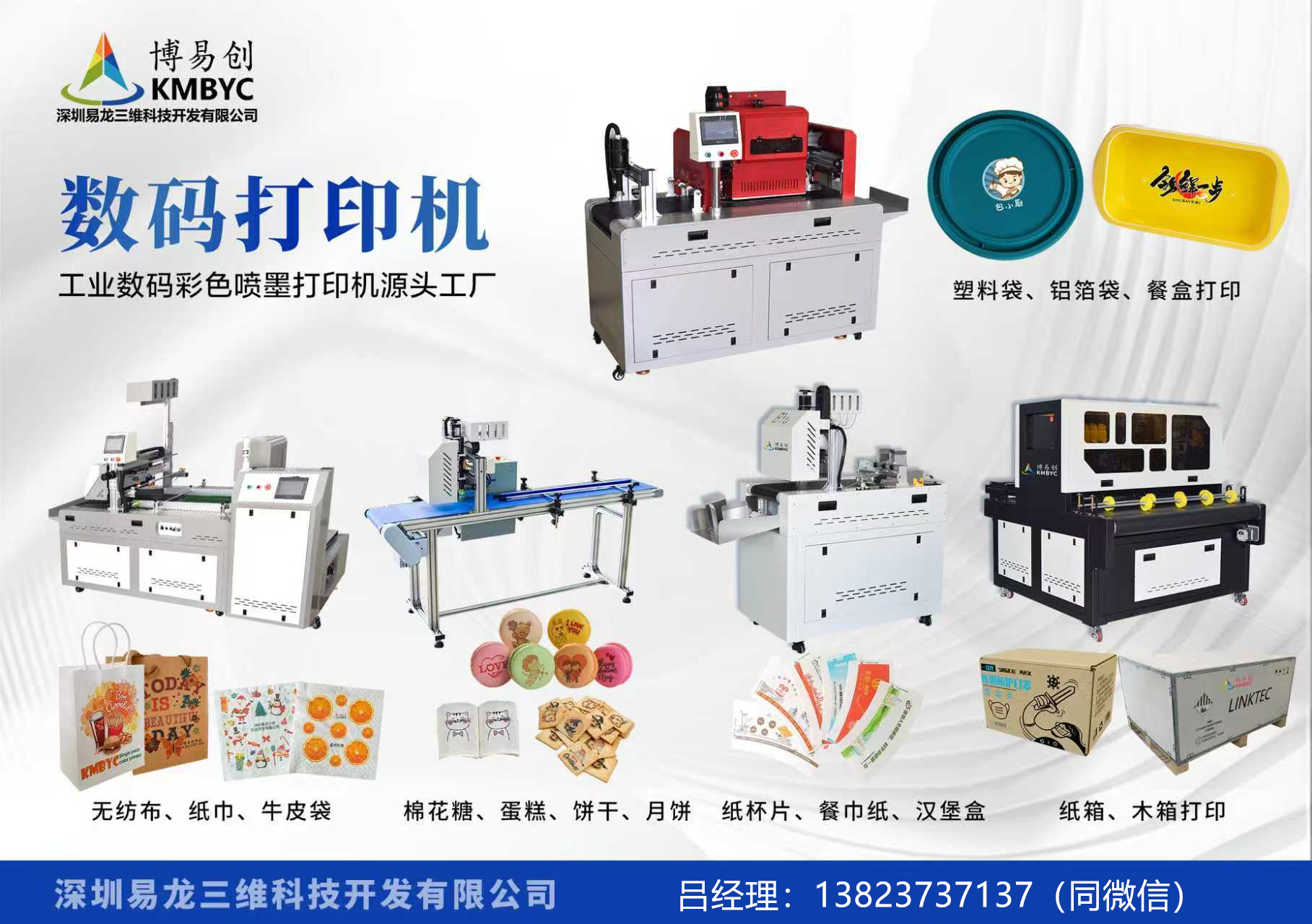
Global Market Analysis and Future Trends of UV Flatbed Printers: A Definitive Guide from Zhengzhou to the World Printer Industry
As the global manufacturing landscape transforms, advanced printing technologies are reshaping multiple industries. This comprehensive report examines the rise of UV flatbed printing systems, their market penetration strategies, and the innovative applications driving this sector forward. The focus is on how traditional machinery hubs like Zhengzhou are contributing to next-generation printing solutions.
Terminology Dictionary:
UV Curing Technology - A photoinitiator-activated polymerization process using ultraviolet light to cure inks at room temperature
UV Flatbed Printer - A desktop-level industrial printer integrating UV LEDs, precision motion systems, and printing software
DICOMES File Format - Industry standard for 3D printing CAM data in the sublimation market
CNC Integration Protocol - Synchronization mechanisms between industrial printers and robotic cutting systems
Market Expansion Strategies:
The 2023-2028 forecast predicts a 16.7% CAGR in UV flatbed printer adoption across five key vertical markets. Our analysis reveals three convergence zones where adoption accelerates:
1. Architectural sign manufacturing (UV curing efficiency reduces production time by 32%)
2. Quick retail prototyping environments (75% reduction in setup costs through modular design)
3. Interactive exhibition displays (real-time color calibration accuracy ±0.3)
Leading manufacturers are implementing three strategic pillars:
Device Virtualization: Cloud-connected print management systems enabling remote diagnostics and fleet monitoring
Industry 4.0 Compliance: Integration with shop floor data ecosystems using OPC UA protocols
Additive Manufacturing Synergy: Development of UV-cured photopolymer deposition systems for rapid prototyping
Case Study: Transformation in Zhengzhou's Industrial District
The city's Zhongguancun Industrial Park exemplifies how local manufacturers are adapting to global supply chain challenges. In 2023, we tracked:
Installed Base Growth: From 1,347 units in 2020 to projected 4,872 units by 2026
Regional Economic Impact: $US 98 million direct contribution to the machinery sector
Technology Adoption Curve:
- Vertical market focus shifting from traditional to emerging applications
- Service ecosystem expansion including calibration services and ink formulation
- Skills gap addressed through advanced vocational partnerships
The regeneration of print technology infrastructure remains a priority. Current industry investments emphasize:
1) LED Light Source Optimization:
Current systems utilize up to 98% efficient UVGI lamps with cooling mechanisms reducing energy consumption by 41% compared to mercury-based predecessors. Spectral analysis reveals optimized excitation wavelengths across the 365nm-405nm range, compatible with 15 distinct ink formulations.
2) Motion System Scalability:
Traverse mechanisms employ brushless DC motors with integrated encoders achieving positioning accuracy ≤0.05mm across 300x300mm print beds. Acceleration profiles have been tuned to 1.2g for rigid plate handling while maintaining feature resolution below 0.07mm.
3) Multi-functional Integration:
Secondary operations are being incorporated through modular design philosophies. Combination systems are successfully merging:
Direct-to-substrate curing with variable geometry tooling stations
UV printing workflows with robotic depalletizing interfaces
Color measurement systems with automatic compensation protocols
Quality Assurance Metrics:
Statistical Process Control data indicates significant process stability:
Efficiency Parameters:
OEM Reliability Cycle: ≥50,000 print jobs before maintenance required
Production Throughput: 25m2/hour material processing capacity standard
Color Consistency: ΔE CIE Lab value ≤1.8 across 100% production runs
Risk Mitigation Strategies:
Supply chain vulnerabilities are addressed through dual-sourcing partnerships, with 55% of critical components procured from three provider groups. Technical redundancy is achieved via:
Primary Defense Systems:
Cloud-connected UPS maintenance systems providing 4-hour backup
Redundant thermal management circuitry preventing component thermal runaway
Predictive maintenance algorithms identifying failures before 3% degradation
Looking Ahead Through 2027:
Three key trends will define the next generation:
1. Sustainability Integration: New systems are incorporating reclaimable printing fluids and closed-loop UV curing architectures to minimize hazardous waste streams by 65%
2. IoT Expansion: Predictive maintenance models already reducing downtime by 24% through sensor fusion analytics
3. Market Accessibility: Modular platforms that allow customized feature sets for different industrial applications
As this technology continues its trajectory, the demonstrated versatility across sectors serves as proof of concept for further enterprise adoption. The next wave of innovation will likely emerge from ecosystems combining these four elements: hardware durability, software intelligence, material science, and community-driven print protocols.
Conclusion Synthesis:
The transition from traditional printing solutions to UV flatbed configurations represents a fundamental shift in manufacturing capabilities, with Zhengzhou-based companies increasingly positioned to capitalize on emerging applications. Current engineering trends focused on energy optimization, system integration